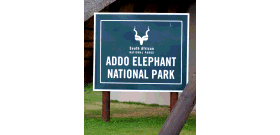
 Nqweba–Addo Route Reopens for Two-Way Traffic, Boosting Access to Addo Elephant Park
Holidaymakers and tourism operators across the Eastern Cape can look forward to improved connectivity this festive season, as the South African National Roads Agency SOC Limited (SANRAL) has confirmed a temporary reopening of the vital route between Nqweba (formerly Kirkwood) and Addo. From 12 December 2025 until 6 January 2026, this key stretch will be open for two-way traffic, providing much-needed relief for those travelling through the Sundays River Valley—especially visitors heading to the renowned Addo Elephant National Park and other regional attractions.
This move comes at a critical time for the region’s tourism industry, as the festive period typically sees a surge in both domestic and international arrivals. The reopening is set to support increased traffic volumes to and from one of South Africa’s wildlife tourism gems, as well as to other highly sought-after Eastern Cape destinations. SANRAL’s announcement has already been welcomed by tour operators, accommodation providers, and self-drive explorers who have been contending with delays and detours during the ongoing construction works.
Despite the welcome news, SANRAL has emphasized that the road remains an active construction zone. As such, motorists are urged to exercise heightened caution throughout the route, particularly at several critical points. The Sunday’s River Bridge and Bezuidenhout’s River Bridge are areas requiring special attention: traffic here has been shifted to the right-hand side, with vehicles navigating a combination of old and newly constructed road surfaces. Over both bridges, a reduced speed limit of 40 km/h is strictly enforced to ensure the safety of all road users.
Another temporary change impacting driver behavior is the absence of permanent centreline markings along this section. Instead, SANRAL will implement pre-marking and install temporary road studs to enhance visibility, particularly for night-time and early morning travel. The agency has reiterated that drivers should proceed with extra care given these altered road conditions.
For the entire affected stretch, a maximum speed limit of 60 km/h will remain in place, with no overtaking permitted. Motorists are required to adhere strictly to all temporary signage and traffic controls. SANRAL’s Eastern Cape Provincial Head, Mbulelo Peterson, has urged all travelers to plan their journeys with these constraints in mind, consider alternative routes where possible, and remain vigilant at all times when using the reopened road.
This traffic update is especially significant for those heading to Addo Elephant National Park, a flagship wildlife destination that draws tens of thousands of visitors annually. The reopening will streamline access for both local and international tourists, supporting the park’s operators and the broader tourism ecosystem—including guesthouses, restaurants, activities providers, and transport services in the Sundays River Valley and beyond.
For self-drive tourists exploring the Eastern Cape, the improved flow along the Nqweba–Addo corridor means less time navigating detours and more time enjoying the region’s unique offerings, from game viewing and citrus route adventures to cultural and heritage experiences. Local communities and business owners in Nqweba, Addo, and adjacent areas will also benefit, as easier access typically translates into increased visitor spend and greater exposure for smaller enterprises.
The temporary reopening also provides valuable insight into the evolving relationship between infrastructure development and tourism growth in the region. As the Eastern Cape continues to invest in its road networks, the ability to maintain accessibility—even amid major upgrades—will be crucial for sustaining the momentum of tourism recovery and expansion. Effective communication, clear signage, and robust safety measures are key factors in minimizing disruptions and maximizing the positive impact for all stakeholders, from tour operators and guides to accommodation owners and local artisans.
Looking ahead, the continued modernization of the Nqweba–Addo route is expected to deliver long-term benefits for the Eastern Cape’s tourism sector. Once construction is fully completed and all safety features are in place, the route will offer a smoother, safer, and more efficient travel experience—strengthening the region’s appeal not just during the holidays, but year-round. In anticipation, tourism professionals are encouraged to update their itineraries, inform clients about temporary changes, and leverage the enhanced access to promote both iconic and emerging attractions within the province.
As the peak season approaches, the coordinated efforts between SANRAL, local authorities, and tourism operators underline the importance of public-private collaboration in delivering meaningful improvements for travelers. By prioritizing both safety and accessibility, the Eastern Cape is setting a positive example for other African destinations seeking to balance infrastructure upgrades with the needs of a dynamic and growing tourism industry.