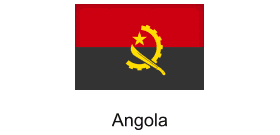
 Luanda Emerges as Africa's Tourism Investment Magnet at Global Forum Summit 2026
Few African destinations have captured the attention of the global tourism and investment community in recent months quite like Angola. This week, that spotlight is firmly fixed on Luanda as government leaders, investors, hospitality executives, financiers, aviation specialists and development partners converge for the Global Tourism Forum Investment Summit 2026 — one of the most significant investment-focused tourism gatherings on the continent's calendar.
The three-day summit is expected to welcome more than 500 delegates from over 60 countries, along with upwards of 100 speakers. Such numbers place Angola squarely at the heart of conversations about where capital is flowing, which African destinations are catching investor interest, and what is required to unlock the next phase of tourism growth across the continent. For sub-Saharan African industry professionals, this is far more than a ceremonial gathering — it is a barometer of how serious global investors are becoming about African tourism opportunities.
Organised by the World Tourism Forum Institute (WTFI) in partnership with the Government of Angola and supported by the Ministry of Tourism, the summit takes place under the patronage of President João Lourenço. With the theme "Investment and Development in Angola" and the rallying slogan "Make It Grow Together!", the event reflects Angola's growing determination to diversify its economy. Long recognised primarily as one of Africa's major oil producers, the country is now actively building its reputation in sectors beyond hydrocarbons, with tourism positioned as a key driver of future growth.
The timing of the gathering is telling. Across Africa, governments are increasingly accepting that visitor growth alone is no longer enough. Airports, hotels, transport networks, attractions, tourism services and digital infrastructure all require sustained long-term investment if destinations are to remain competitive in a fast-changing global marketplace. Luanda's hosting of the summit places Angola at the centre of this critical conversation, while signalling to neighbouring African economies that bold investment strategies are no longer optional.
A central feature of the event is the Angola Tourism Investment Expo, where provinces, private companies and investment agencies will present tourism assets and projects open to funding. From hospitality developments and ecotourism ventures to aviation services and cultural tourism enterprises, the exhibition offers delegates a closer view of opportunities spread across Angola's diverse regions. Such platforms create real value for African travel trade professionals seeking partnership opportunities, supplier relationships and emerging product knowledge.
The programme blends high-level dialogue with practical business engagement. Opening sessions cover investment outlooks, ministerial discussions, CEO roundtables, investor meetings and the Angola Investment Showcase. Business-to-business meetings and networking opportunities run throughout the event, complemented by cultural experiences designed to introduce delegates to Angola's heritage and modern creative industries. Day two extends into plenary discussions, ministerial roundtables, and engagements with regional governors and mayors, while the final day shifts focus to outcomes, follow-up opportunities and the partnerships emerging from the summit.
Participants include sovereign wealth funds, institutional investors, development finance institutions, tourism authorities, hotel groups, aviation executives, infrastructure developers and technology firms — a mix that reflects the increasingly interconnected nature of tourism development. Aviation in particular features heavily, with discussions exploring how stronger intra-African and international air connectivity can drive tourism growth and competitiveness. For African travel businesses, the takeaway is clear: route development and air access are becoming the cornerstone of destination success.
For Angola, the summit is an opportunity to tell a fuller story about its economic future. After years of raising its profile at major travel trade events and pursuing improved connectivity, the country is now using the Luanda gathering to present its tourism, aviation, infrastructure, cultural and hospitality opportunities directly to a global audience of decision-makers.
As delegates settle into Luanda, the conversation is reaching beyond market forecasts. The bigger question facing African destinations is how to convert tourism potential into measurable economic value — for governments, investors, communities and the travellers of tomorrow. Angola's bold positioning may well shape how the next decade of African tourism investment unfolds.